The Capacity Code:
Nervous System Remembrance
20-Hour Online Training
A Journey of Regulation and Remembrance
November 19, 2026 – January 7, 2027
The Capacity Code is a 20-hour online training exploring the nervous system through the lens of embodiment, trauma, development, and lived experience.
This course is a project of remembrance, a reclamation of our relationship with the natural cycles of a feeling, sensing, and responding body.
Rather than understanding the nervous system simply as something to be calmed, controlled, or regulated, we will explore it as a dynamic and intelligent system that is continually responding, adapting, protecting, learning, and reorganising.
Drawing from nervous system science, somatic approaches, developmental perspectives, trauma studies, and Polyvagal Theory, the course invites participants into a deeper exploration of how our bodies respond to stress, relationship, environment, memory, and experience.
We will explore the impact of generational patterns, chronic stress, childhood developmental trauma, anxiety, and overwhelming experiences, while also asking a broader question:
What becomes possible when we move beyond the pursuit of a permanently calm nervous system and instead cultivate a nervous system that is flexible, responsive, and capable of moving through the full range of human experience?
The Nervous System as a Living Process
Experience begins in the living body. Sensations, changes in muscle tone, breath, temperature, movement, visceral responses, and shifts in arousal can occur before we consciously understand what is happening.

The nervous system continually gathers and organises information from within the body and from the environment. Over time, repeated experiences can contribute to patterns of perception, response, expectation, and behaviour.
In this sense, the nervous system is constantly learning from experience.
What we call regulation is therefore not simply the ability to become calm. It is the capacity to remain connected to ourselves while moving through changing internal and external states. This may include mobilising, settling, connecting, protecting, responding, recovering, and adapting.
For experience to become genuinely new, we need more than an intellectual understanding of our patterns. We need opportunities for awareness to reach into the lived, embodied experience of the body, where familiar patterns can be noticed, met, and gradually transformed.
From embryological development of the nervous system and its anatomy, to Polyvagal Theory, co-regulation, somatic exploration, trauma, chronic stress, and the Window of Tolerance, this training brings together multiple perspectives to support a deeper understanding of how our nervous systems function and how we can cultivate greater flexibility and capacity.

Beyond the Pursuit of a "Calm" Nervous System
In recent years, nervous system regulation has entered mainstream conversation. This growing awareness has offered many people a new language for understanding emotional experience and has encouraged greater compassion towards the body and its responses.
At the same time, the popularity of nervous system practices raises important questions.
What happens when regulation becomes another form of self-optimisation?
What happens when calm becomes the goal, while activation, anger, grief, fear, excitement, or emotional intensity are treated as problems to be eliminated?
And what happens when the natural intelligence of the body is reduced to a collection of techniques designed to make us feel better as quickly as possible?
There is a difference between regulation and suppression.
The nervous system is not designed to remain in one state. Healthy functioning involves movement, adaptation, activation, rest, connection, protection, recovery, and change.
Bodies may shake. We may cry, tremble, breathe differently, become energised, feel anger, experience grief, or move towards action. These responses are not automatically signs that something has gone wrong. They can be meaningful expressions of a body responding to its environment and attempting to adapt.
This does not mean that every bodily response needs to be expressed or acted upon. Nor does it mean that intense activation is inherently therapeutic. Rather, we will develop the capacity to become curious about our responses and to recognise when we need settling, movement, connection, boundaries, expression, support, or simply time.

We do not benefit from being constantly pacified; our nervous system inherently requires flexibility and attunement.
A flexible nervous system can move through different states without becoming defined by any one of them. It can mobilise when action is needed and settle when rest is possible. It can experience intensity without necessarily becoming overwhelmed by it. It can recognise patterns while remaining open to new experiences.
The Window of Tolerance offers one useful framework for exploring this capacity. Rather than attempting to eliminate activation, we can learn to recognise our thresholds and gradually develop greater capacity to remain present with experience.
Titration, the practice of approaching challenging experiences in manageable amounts, can be an important part of this process. At the same time, titration is not intended to become a way of avoiding difficult emotions indefinitely.
The invitation is to develop a relationship with experience that is both compassionate and courageous, to meet what is here without forcing, suppressing, bypassing, or becoming overwhelmed by it.

The Body, Trauma, and Inherited Patterns
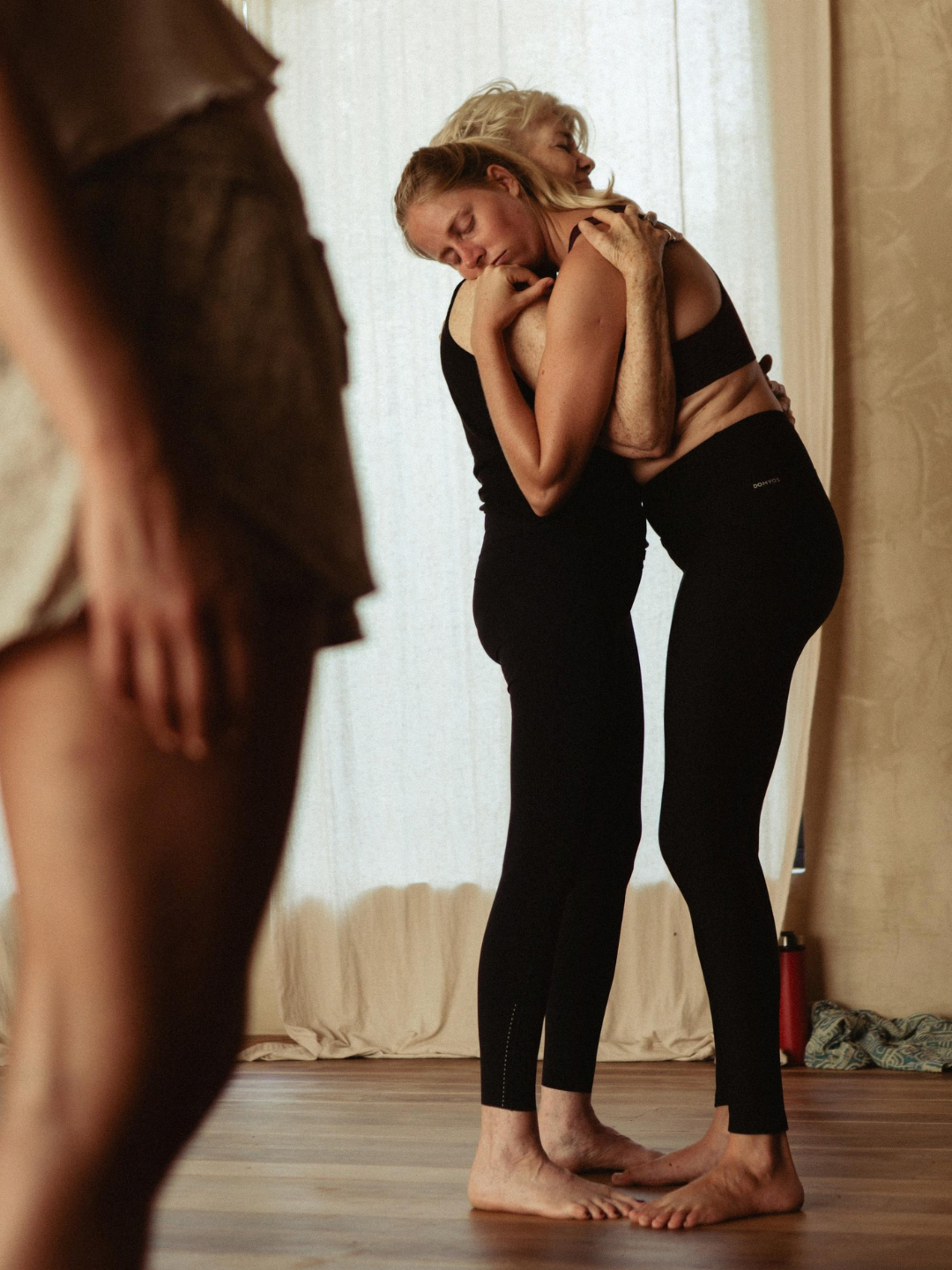
Throughout the training, we will explore how trauma, chronic stress, developmental experiences, and relational environments can shape the way we perceive ourselves and the world around us.
We will also explore the idea of generational imprinting, including how patterns of stress, adaptation, relationship, and survival may be carried across generations through complex biological, relational, cultural, and environmental pathways.
Understanding these patterns can help us recognise that many of our responses developed for good reasons.
The intention is not to pathologise the nervous system, but to develop a compassionate understanding of its adaptations.
When we can recognise why a pattern exists, we can begin to create the conditions for something different.
A Practice of Remembrance
Ultimately, this course is an invitation to remember the body, not as a machine that needs to be fixed, but as a living system that is continually sensing, responding, learning, and adapting.
Through clinical study, embodied exploration, nervous system education, and personal inquiry, we will investigate the relationship between physiology, emotion, behaviour, memory, relationship, and environment.
Each module creates another thread in this exploration, weaving together an understanding of the nervous system with the lived experience of being human.
Participants will leave with a deeper understanding of nervous system function and trauma, alongside practical ways to develop self-awareness, support flexibility, recognise patterns, and cultivate a more compassionate relationship with themselves and others.
This is not a course about becoming calm all the time.
It is an invitation to become more available to life and, ultimately, to remember the intelligence of a body that was never designed to be still.

Schedule
November 19, 2026 – January 7, 2027
Thursday Live Calls
6 sessions · 2 hours each
November 19 & 26
December 3, 10 & 17
January 7
12 hours total
Somatic Sundays
4 sessions · 90 minutes each
November 22 & 29
December 6 & 13
6 hours total
Pre-Recorded Material
2.5 hours of additional learning content
20.5 Hours of Learning
About Tye Fielding
EMBODIMENT FACILITATOR · E-RYT 500 / RYT 2500h+
Yoga, Somatics, Non-Dual Saiva Tantra and Embodied Awakening
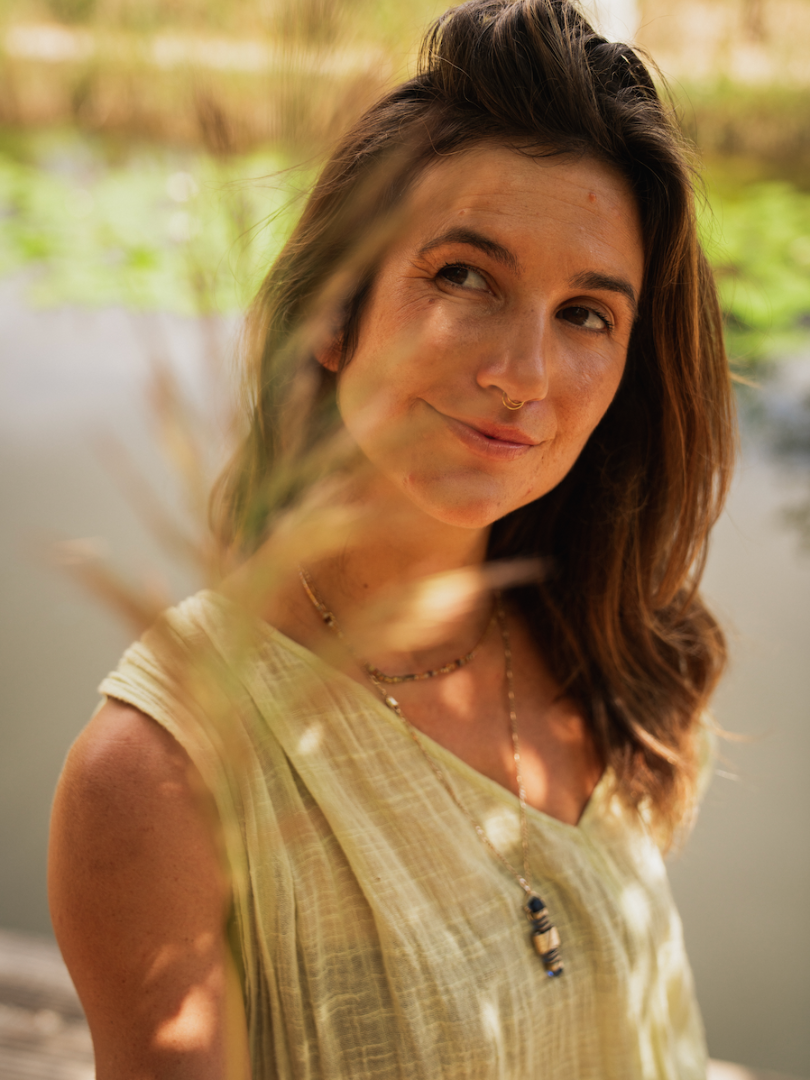
Tye is a devoted Yoga Teacher and embodiment facilitator whose work weaves together Yoga, Somatics, Biodynamic Breathwork and Non-Dual Saiva Tantra. Her journey led her to India, where she immersed herself in the study of Yoga philosophy and spiritual practice with influential teachers.
An E-RYT 500 certified Yoga Teacher and trainer, Tye is also a Reiki Master, Energetic Healer, Biodynamic Breathwork Trauma Release Specialist and Massage Therapist. Her background in trauma-informed Yoga, Somatics and Bioenergetics allows her to create nurturing spaces for exploration, healing and transformation.
Inspired by Non-Dual Tantra, mythology and philosophy, Tye invites students to explore the relationship between movement, breath and consciousness. At the heart of her teaching is a deep trust in the body's innate wisdom and capacity for healing, awakening and meaningful connection.
Join the Mythic Movement
Receive occasional letters, upcoming offerings, and insights from our ongoing work.